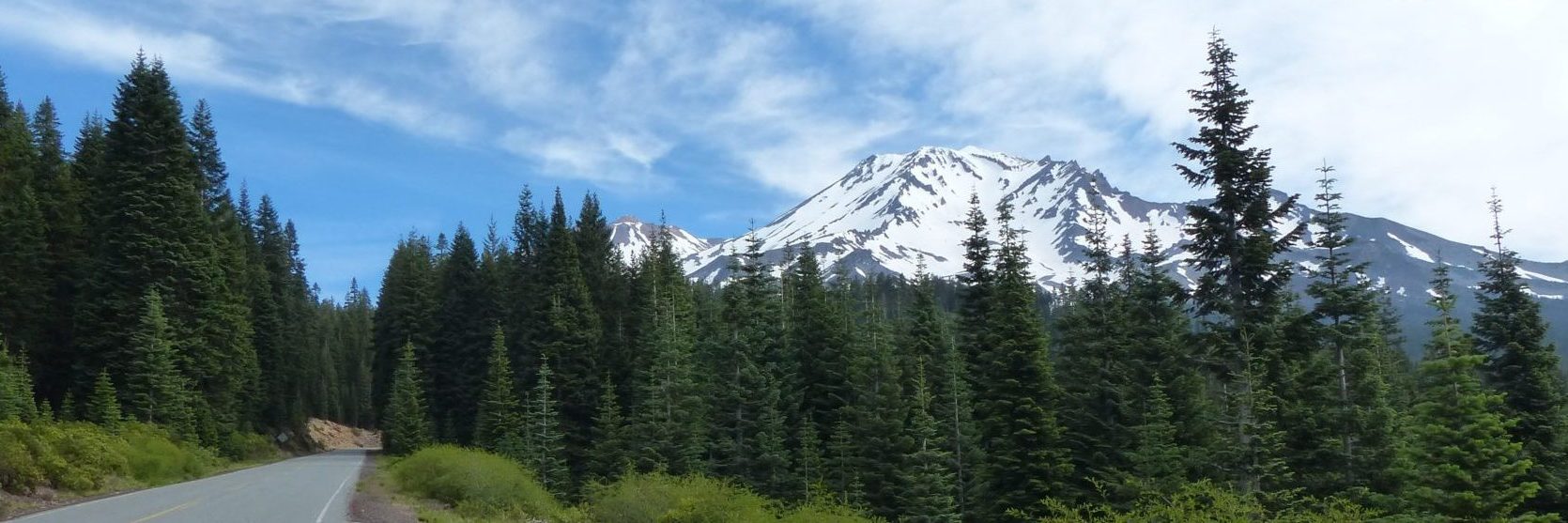

The American West offers enormous skies, open roads, and some of the most impressive landscapes in the country. Visitors come for desert horizons, red rock canyons, mountain passes, and wide prairies – but many travelers overlook the diverse range of wildlife that thrives in these regions. Wildlife-lovers road-tripping through the West will find a mix of habitats that are home to bison, elk, bears, mountain goats, wild horses, and hundreds of bird species. A well-planned route can carry you through deserts, forests, and alpine meadows within a single day, with plenty of wildlife encounters along the way.
Work out your starting point strategically
Before you set off, consider your starting point carefully. Many visitors fly into Denver because it sits near the center of the region, and Denver airport rental cars make it easy to get going quickly on a route that covers both mountains and plains. However, if you’re specifically looking for routes that (for example) take in the Grand Canyon, you might be better off starting in Phoenix or Las Vegas.
If you’re not sure where you want to go, or where you want to start, here’s some Western wildlife-watching inspiration:
Rocky Mountain National Park and the Peak to Peak Highway

A trip through Rocky Mountain National Park will give you access to wildlife that thrives in rough, high-altitude terrain. Elk graze in the meadows near Estes Park, marmots and pikas dart through the alpine meadows, and bighorn sheep wander to the lower slopes during warmer hours. The Trail Ridge Road connects these habitats and provides plenty of overlooks where you can stop for short walks or longer hikes.
As you exit the park, the Peak to Peak Highway carries you south through forests and open viewpoints. Many travelers choose this drive because it offers wildlife viewing without long detours or complex trail systems. It’s also a great route for spotting moose, which are most active at dawn and dusk. Drive carefully, for the safety of both the moose and yourselves!
Yellowstone and Grand Teton Route

This route is a loop that links Yellowstone and Grand Teton National Parks. If you’re observant, this road trip has the potential for an incredibly rich wildlife experience. Bison roam across the Hayden and Lamar Valleys – you may even have to stop and wait for herds to cross the road. If you arrive at the Lamar Valley early (and bring binoculars) you may be able to spot packs of wolves. You can also often see grizzlies and black bears foraging Yellowstone forest edges at dawn and dusk.
Continuing along the route, Snake River in Grand Teton is a popular gathering spot for moose. If you’re lucky, you might see pronghorn sprinting across the sage flats, and bald eagles fishing along the river bends.
The Utah Parks Circuit

Southern Utah has a network of parks and scenic roads that mix iconic Western red rock scenery with desert wildlife. Zion National Park is home to mule deer, bighorn sheep, and wild turkeys (turkeys are particularly fond of lower canyon areas, so it’s worth going on a canyon hike if you’re a turkey fan). As you continue toward Bryce Canyon, you enter cooler forested regions where you’re likely to see prairie dogs poking their heads out of burrows.
Farther east, Capitol Reef National Park is great for spotting bighorn sheep on the rocky slopes – the open views make it easy to spot wildlife from a distance. If you have time, add a detour toward the San Rafael Swell or the Grand Staircase region. Wild horses live in these areas, and you might spot herds trotting along the ridgelines.
The Sierra Nevada and Eastern California Loop

This long loop along the eastern side of the Sierra Nevada offers a mix of dramatic scenery and diverse wildlife. Gulls, grebes, and a huge variety of birdlife nests around Lake Mono, making it the perfect spot for enthusiastic birdwatchers. Continuing south into Owens Valley, you’ll find curious wild burros congregating by the roadsides, and herds of bighorn sheep on the mountain slopes. Turning west will take you towards Yosemite National Park, where you’ll find black bears, mule deer, and bobcats.
The Sonoran Desert Drive

Saguaro National Park, near Tucson, provides habitat for coyotes, javelinas, and a range of desert reptiles. The cactus-like saguaros for which the park is named are home to elf owls, gilded flickers, and other small bird species which benefit from the protection of the saguaro spines.
If you continue south toward the Santa Rita Mountains, you’ll enter one of the best bird watching regions in the country. Hummingbirds, hawks, and many tropical species visit the canyons throughout the year. Farther west, the remote Organ Pipe Cactus National Monument offers a strong chance to see Sonoran pronghorn.
Tips for a Safe and Rewarding Wildlife Road Trip
To get the best out of your wildlife road trip, plan your drives around early morning and evening. In the heat of the West, wildlife tends to be more active during cooler hours. Remember to always keep your distance from all animals to protect both you and the wildlife – if you’re worried about not being able to get close enough to see the wildlife properly, bring binoculars. Look after yourself by packing snacks, water, and sunscreen – and don’t be impatient! Many of the best sightings come from slow travel, so allow extra time on each route.
Get Acquainted With Western Wildlife on the Road
A wildlife focused road trip through the American West will give you a much deeper sense of the region and its natural richness. Mountain valleys, desert plains, coastal cliffs, and alpine meadows each support their own wildlife communities. Every route on this list offers a high chance of memorable encounters, from bison on the prairie to elk in the forest and lizards in the desert. Ultimately, a wildlife-focused road trip through the West will give you a new appreciation of the wild character of the region.
